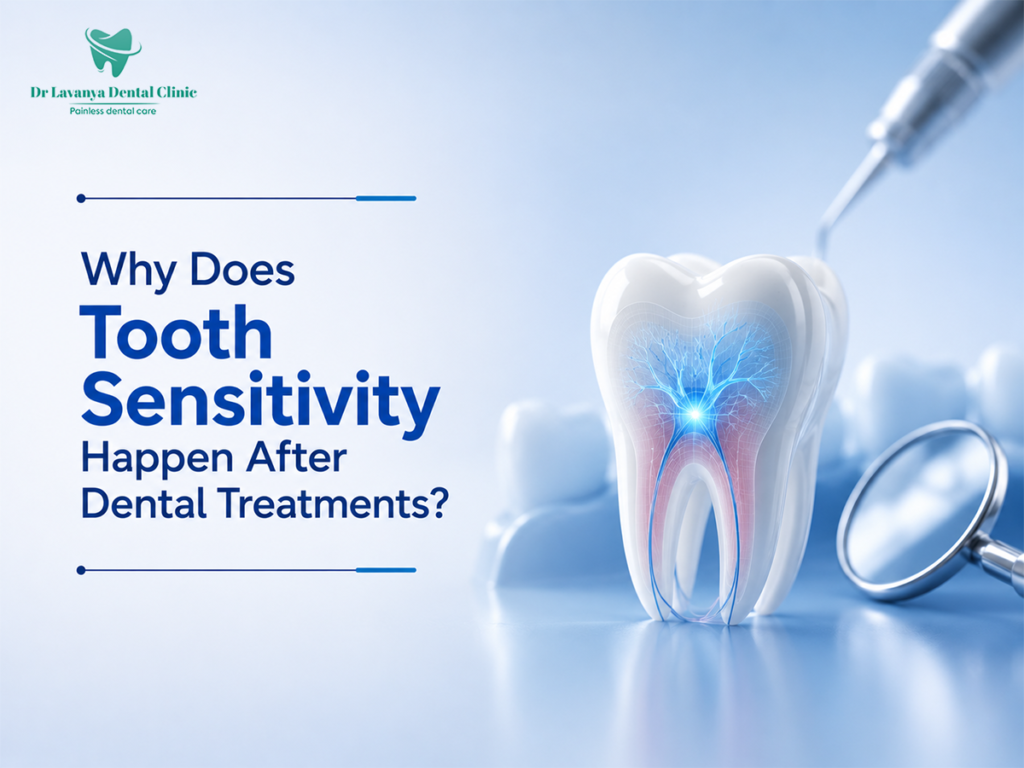
Tooth sensitivity following dental treatments often results from the exposure or irritation of dental nerves, particularly when procedures involve the dentin or disrupt the enamel. Seeking care at a trusted dental hospital in Hyderabad ensures that post-treatment sensitivity is properly evaluated and managed with personalized care. This sensitivity can be triggered by various treatments, such as fillings, whitening, or crown placements that open pathways to sensitive dental nerves through tiny tubules in the dentin. Managing this discomfort usually includes the use of desensitizing toothpaste and fluoride treatments. Awareness and professional guidance offer more thorough solutions to alleviate such sensitivity while promoting long-term oral health.
Common Dental Procedures That Can Cause Sensitivity
While many dental procedures are essential for maintaining oral health, some can inadvertently lead to tooth sensitivity. Visiting the dental implants treatment in hyderabad ensures that these procedures are performed with precision and that any post-treatment sensitivity is managed effectively. Procedures such as fillings placement, whitening treatments, root canals, and crown adjustments often involve direct interaction with the tooth's structure or nerves, which may temporarily heighten sensitivity. During fillings placement, the removal of decay and the addition of the filling material can disturb the dentin or pulp, causing discomfort. Whitening treatments may expose the pores in the enamel, leading to transient sensitivity, especially to temperature changes. Root canals involve treating the tooth’s nerve, inherently linked with sensitivity issues. Adjustments to crowns may expose parts of the tooth that are not used to external stimuli, also resulting in sensitivity. These effects are generally temporary and manageable.
Understanding the Biological Reasons for Post-Treatment Sensitivity
Tooth sensitivity following dental treatments often stems from the exposure or irritation of dental nerves and tissues. This discomfort arises primarily due to dentin exposure, the layer beneath the tooth enamel that contains microscopic tubules leading directly to the nerve. When dentin is exposed, either by dental procedures such as drilling, scaling, or through enamel wear, stimuli like hot, cold, or sweet foods can travel through these tubules to the nerve, causing pain. Additionally, procedures might provoke nerve irritation directly, especially if the dental work is extensive and affects deeper layers of the tooth. Families seeking specialized dental care for children can rely on the tooth cavities treatment in hyderabad for gentle treatments and expert management of tooth sensitivity in young patients. Understanding these biological mechanisms is essential for addressing the root causes of sensitivity and guiding individuals towards appropriate relief and treatment options, while respecting their desire for autonomy in managing their dental health.
Effective Strategies for Managing Increased Tooth Sensitivity After Dental Work
After undergoing dental treatments, patients often experience increased tooth sensitivity, which can be effectively managed with targeted strategies. One of the primary measures is the use of desensitizing toothpaste, which contains compounds that help block transmission of sensitivity signals from the tooth surface to the nerve. Regular use can greatly alleviate discomfort. Additionally, fluoride treatments administered by dental professionals strengthen tooth enamel and reduce pain. Receiving follow-up care at the best pediatric dental clinic in Banjara Hills ensures that children experiencing post-treatment sensitivity receive age-appropriate guidance and gentle, effective care. These treatments help re-mineralize the teeth, providing a barrier against sensitivity triggers like hot and cold temperatures. For ideal results, patients are encouraged to follow a tailored dental care regimen suggested by their dentist, ensuring they maintain not only their freedom from pain but also their overall oral health.