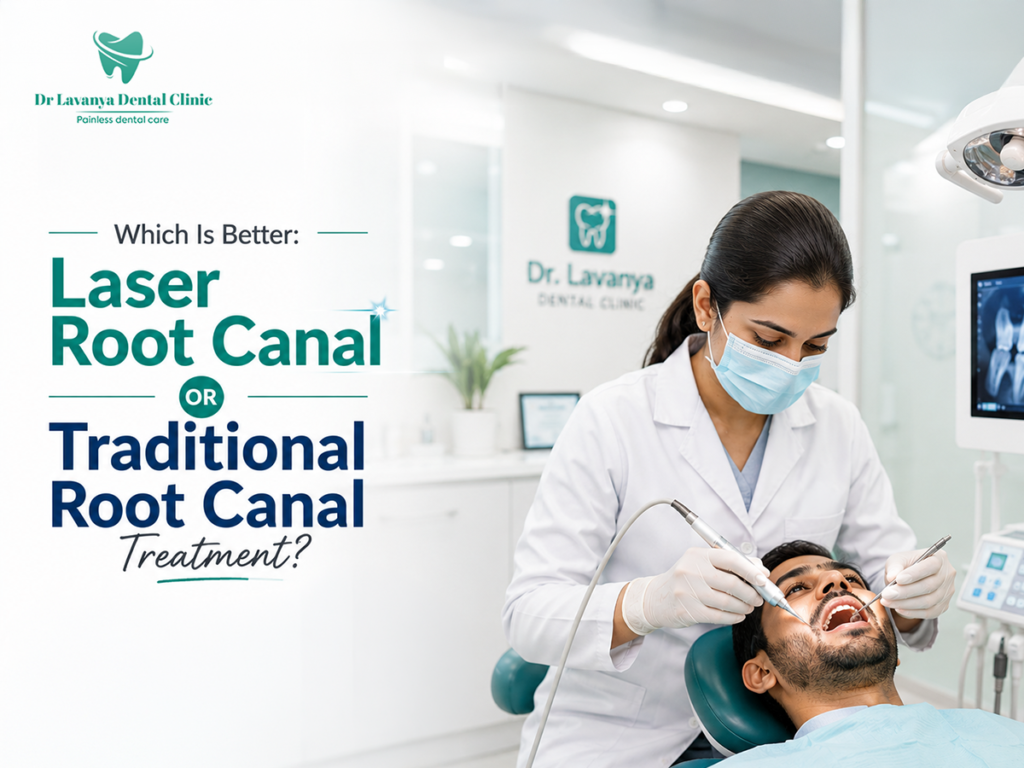
Laser root canal treatment generally offers greater precision and efficiency compared to traditional methods. Its use of focused laser energy minimizes trauma, reduces discomfort, and shortens recovery times. Many patients report less pain and a quicker healing process with laser techniques. Additionally, success rates are comparable, with laser treatments often resulting in fewer complications. For those considering their options, understanding the nuances of each procedure can provide valuable insights into making the best choice. Patients searching for the best dental clinic in hyderabad often explore advanced laser dentistry options for more comfortable treatments.
Overview of Laser Root Canal Treatment
Laser root canal treatment represents an advanced approach to endodontic therapy, utilizing focused laser energy to enhance the cleaning and sealing of root canals. This method offers several benefits, including reduced discomfort, minimized bleeding, and lower risk of infection compared to conventional techniques. The precision of laser technology allows for more effective removal of infected tissue while preserving healthy structures. Patient experiences often reflect a quicker recovery time and a more comfortable procedure, contributing to higher satisfaction rates. In addition, the laser's ability to disinfect root canals promotes better long-term outcomes. As dental technology continues to evolve, the integration of laser treatments exemplifies a shift towards patient-centered care in endodontics, emphasizing both efficiency and comfort.
Overview of Traditional Root Canal Treatment
Traditional root canal treatment is a well-established procedure designed to address infections within the dental pulp. This method employs traditional techniques that involve the removal of infected pulp tissue, followed by cleaning and shaping the root canals to eliminate bacteria. After thorough disinfection, the canals are filled with a biocompatible material, sealing them to prevent future infection. This process is essential for preserving the natural tooth and maintaining overall dental hygiene. Typically performed under local anesthesia, the treatment may require one or more visits depending on the complexity of the case. Post-treatment, patients are advised on proper dental hygiene practices to guarantee the longevity of the restored tooth and prevent recurrent issues, including timely tooth cavities treatment when necessary.
Key Differences in Procedure
While both laser root canal and traditional root canal procedures aim to address dental pulp infections, they differ markedly in their techniques and instrumentation. The traditional method employs mechanical tools for tooth access and cleaning, utilizing rotary files and manual instruments to remove infected tissue. In contrast, laser root canal treatment leverages concentrated light energy to vaporize bacteria and debris, often allowing for more precise tissue removal. This technique comparison reveals that laser treatments may lead to less collateral damage to surrounding tissue. Additionally, patient preferences often influence the choice of procedure, as some individuals may prioritize the perceived advantages of laser technology, such as reduced discomfort and shorter treatment time. Ultimately, the selection hinges on individual circumstances and professional recommendations.
Recovery Times and Patient Comfort
Recovery times and patient comfort are critical factors that distinguish laser root canal treatments from traditional approaches. Laser root canals typically result in reduced discomfort post-procedure, leading to a quicker healing process. This is largely attributed to the precision of laser technology, which minimizes damage to surrounding tissues. As a result, patients often report lower levels of pain and a diminished need for pain management medication compared to traditional methods. Additionally, the minimally invasive nature of laser treatments allows for less swelling and faster recovery, enhancing overall patient comfort. In contrast, traditional root canals may involve more extensive tissue manipulation, resulting in prolonged recovery times and increased postoperative pain. Thus, laser root canals offer a compelling option for those prioritizing quick recovery and comfort.
Effectiveness and Long-Term Outcomes
The effectiveness of laser root canal treatments compared to traditional methods is a significant factor in determining long-term outcomes for patients. Research indicates that the success rates of laser root canal procedures often match or exceed those of conventional treatments, primarily due to the enhanced precision and reduced trauma to surrounding tissues. This precision may contribute to improved treatment longevity, as laser techniques can effectively eliminate bacteria and promote faster healing. Furthermore, studies suggest that patients undergoing laser root canals experience fewer complications and a lower incidence of retreatment, further bolstering the long-term success of these procedures. Patients considering restorative solutions such as dental implants treatment in hyderabad often also evaluate advanced endodontic procedures for preserving natural teeth whenever possible.