Laser root canal treatment generally offers greater precision and efficiency compared to traditional methods. Its use of focused laser energy minimizes trauma, reduces discomfort, and shortens recovery times. Many patients report less pain and a quicker healing process with laser techniques. Additionally, success rates are comparable, with laser treatments often resulting in fewer complications. For those considering their options, understanding the nuances of each procedure can provideEvening hours often bring a heightened awareness of pain, particularly for individuals experiencing tooth discomfort valuable insights into making the best choice at a dental clinic near me.
Understanding the Causes of Nighttime Tooth Pain
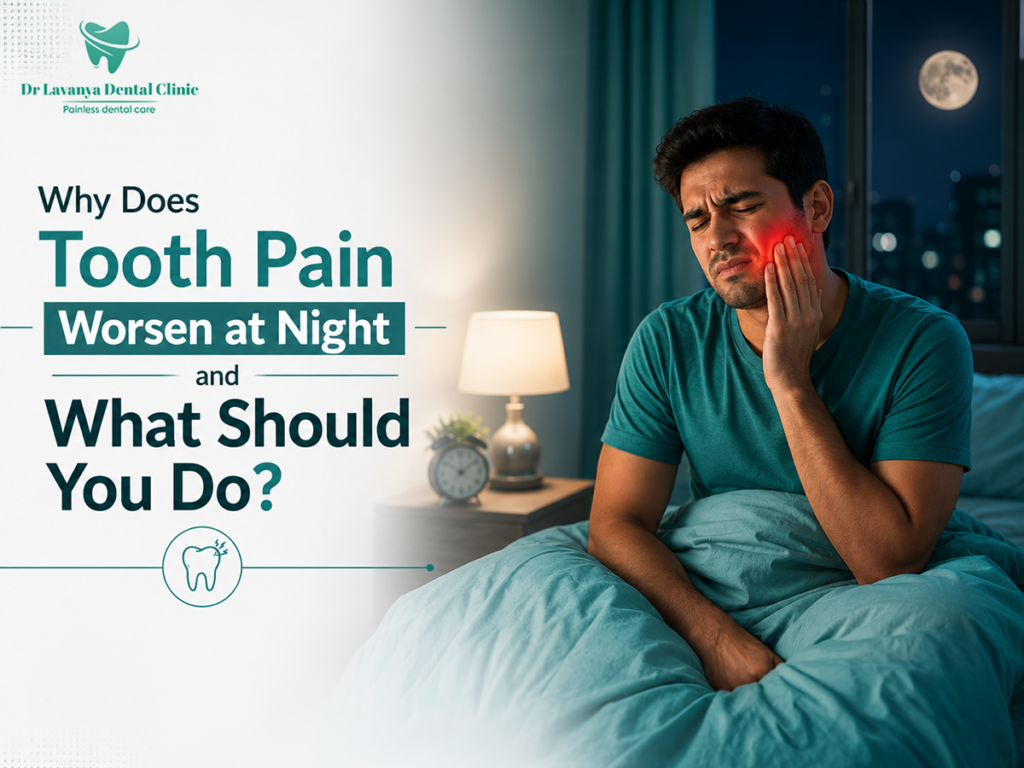
While many individuals experience tooth pain during the day, nighttime discomfort can be particularly distressing and may disrupt sleep. Several factors contribute to increased tooth pain during these hours, primarily tooth decay and gum disease. As individuals lie down, pressure may shift within the oral cavity, exacerbating existing issues. Tooth decay, often characterized by cavities, can lead to inflammation and heightened sensitivity that is more pronounced at night. Similarly, gum disease results in swollen and tender gums, causing discomfort that can intensify when resting. Additionally, decreased distractions at night may heighten awareness of pain, making it feel more acute. Understanding these causes is essential for seeking appropriate treatment, including dental scaling treatment, and finding relief from the discomfort that disrupts restorative sleep. .
The Role of Blood Flow and Body Position
As individuals lie down to sleep, the position of their bodies can greatly influence blood flow and contribute to heightened tooth pain. When lying flat, gravity can impede ideal blood circulation, leading to increased pressure in the head and facial area. This can exacerbate existing dental issues, as poor body alignment may restrict the flow of blood that helps mitigate inflammation. Elevated positions, such as propping the head with pillows, can enhance blood flow and potentially alleviate discomfort. Understanding the relationship between body position and blood circulation is essential for those seeking relief from nighttime tooth pain. By adjusting their sleeping arrangements, individuals may find a more comfortable and restorative night’s sleep.
Increased Awareness of Pain in the Evening
As the evening sets in, tooth pain can often feel more intense and noticeable, making discomfort harder to ignore. This phenomenon can be attributed to increased pain perception as the day winds down. During the night, distractions diminish, allowing individuals to focus more intently on their sensations, which can amplify their discomfort. Additionally, nighttime sensitivity may be exacerbated by changes in body position or the absence of daytime activities that normally divert attention away from pain. As the environment quiets, the mind becomes more attuned to physical sensations, leading to an intensified experience of tooth pain. Understanding these dynamics can help individuals recognize that their pain may feel worse at night, rather than necessarily indicating a worsening condition.
Practical Tips for Managing Tooth Pain at Night
To effectively manage tooth pain at night, individuals can implement several practical strategies that promote comfort and alleviate discomfort. Utilizing home remedies such as warm saltwater rinses can help reduce inflammation and provide temporary relief. Clove oil, known for its analgesic properties, may also be applied directly to the affected area. Additionally, over-the-counter options like ibuprofen or acetaminophen can effectively diminish pain and discomfort, allowing for a more restful night. Elevating the head while sleeping can further reduce pressure in the affected area, potentially easing pain. For families seeking specialized oral care for children, exploring options for pediatric dental care near me can also help address recurring dental concerns early. Finally, ensuring good oral hygiene before bedtime can prevent exacerbation of any underlying issues. By employing these strategies, individuals can reclaim a sense of comfort and reduce the impact of tooth pain during nighttime hours.
When to Seek Professional Dental Help
While some tooth pain can be managed with home remedies, there are critical moments when seeking professional dental help becomes necessary. Individuals should be vigilant for signs of dental emergencies, such as severe pain that persists despite over-the-counter medications, swelling in the gums or face, or a fever accompanying tooth discomfort. Urgent care is warranted if a tooth has been knocked out or if there are visible signs of infection, like pus or foul odor. Ignoring these symptoms can lead to more significant health issues and prolonged pain. Prompt dental attention guarantees that underlying problems are effectively addressed, offering the freedom to enjoy life without the burden of persistent tooth pain.