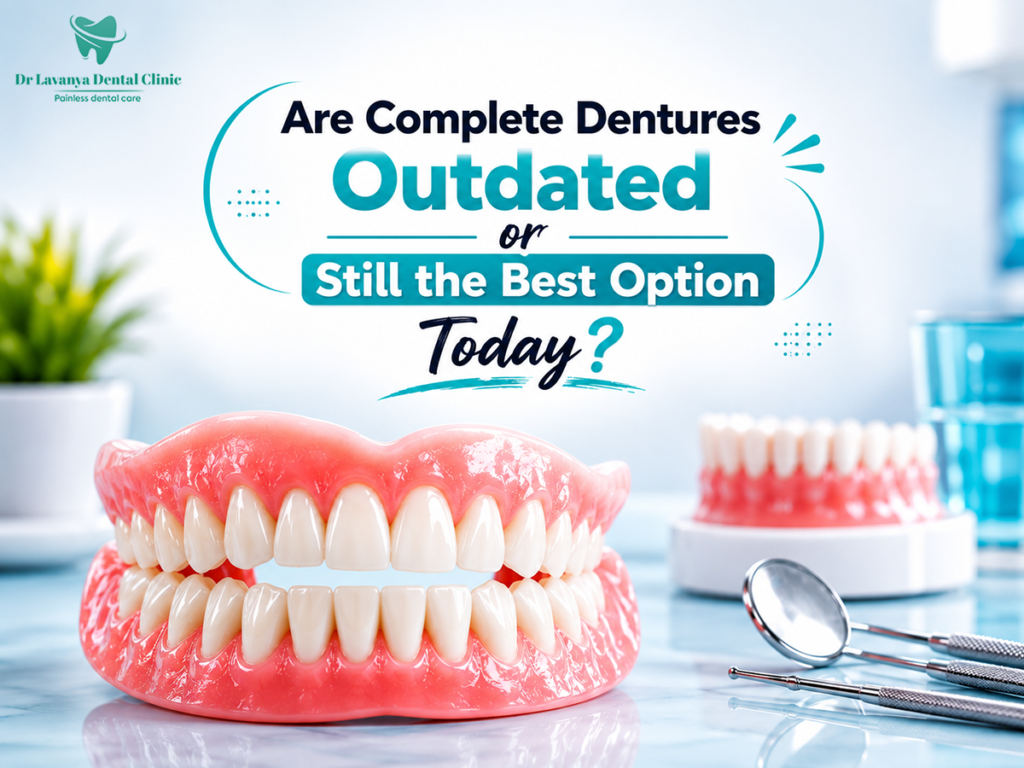
Complete dentures remain a viable option for complete tooth loss, balancing affordability and functionality. Historical advancements have improved their aesthetic appeal and comfort. While they face challenges such as stability issues and maintenance requirements, many patients find them accessible and effective. In contrast, alternatives like dental implants offer enhanced stability but at a higher cost. The choice often depends on individual preferences and finances. Understanding these factors can illuminate the ongoing relevance of complete dentures in modern dentistry.
The Evolution of Complete Dentures: A Historical Perspective
The historical development of complete dentures reflects significant advancements in both materials and techniques used in dental prosthetics. Initially crafted from natural materials such as wood and ivory, early dentures demonstrated limited functionality and aesthetic appeal. The historical significance of these early iterations lies in their role as a response to tooth loss, influenced by various cultural practices surrounding dental care. With the introduction of vulcanite in the 19th century, dentures became more durable and accessible, transforming societal attitudes towards oral health. As dental technology evolved, the cultural implications of complete dentures shifted, enabling individuals to regain confidence and social standing. Modern dental treatment options continue this evolution by offering more comfortable, durable, and aesthetically pleasing solutions for tooth replacement. Ultimately, this evolution underscores the intricate relationship between dental advancements and the broader context of human experience and societal values.
Advantages of Complete Dentures in Modern Dentistry
While many dental restoration options exist today, complete dentures remain a viable and advantageous choice for individuals experiencing total tooth loss. Their design allows for improved aesthetics, as modern materials and techniques enable the creation of natural-looking dentures that enhance facial appearance. Additionally, complete dentures offer significant patient comfort, particularly when customized to fit the unique contours of an individual’s gums and mouth. They are non-invasive and can be fitted quickly, making them an accessible solution for many. Moreover, complete dentures are often more affordable compared to alternatives such as implants, providing a practical option for those seeking effective restoration of function and appearance. In some cases, dental fillings restoration procedures can help preserve natural teeth before complete tooth loss occurs, reducing the need for more extensive restorative treatments. To summarize, complete dentures continue to serve an essential role in modern dentistry.
Limitations and Challenges of Using Complete Dentures
Complete dentures, despite their advantages, come with several limitations and challenges that can impact their effectiveness and patient satisfaction. One significant concern is comfort issues, as many users report difficulty adjusting to the feel of dentures, which can lead to sore spots and irritation. Additionally, the stability of complete dentures may diminish over time due to bone resorption, causing further discomfort and a potential need for adjustments. Maintenance challenges also pose a problem; proper cleaning and care are essential to prevent issues such as staining and bad odor, yet many patients struggle to adhere to these routines. In cases where natural teeth can still be preserved, procedures such as tooth canal treatment may help save damaged teeth and delay or prevent the need for complete dentures. Ultimately, these factors can hinder the overall experience, influencing patients’ willingness to embrace complete dentures as a long-term solution for tooth loss.
Comparing Complete Dentures With Modern Alternatives: a Cost-Benefit Analysis
As advancements in dental technology continue to emerge, a thorough cost-benefit analysis of complete dentures compared to modern alternatives is essential for informed decision-making. Complete dentures typically offer a lower initial cost, making them accessible for many patients; however, they often require ongoing adjustments and may not provide ideal functionality or comfort. Modern alternatives, such as dental implants, present higher upfront costs but offer superior stability, enhanced chewing capability, and improved aesthetics. A detailed cost analysis reveals that while implants may represent a significant investment, their longevity and reduced need for maintenance can result in long-term savings. Ultimately, patients must weigh these factors against personal preferences and financial situations when considering denture alternatives.